
Agent trust is limited by the governance of the data underneath it. When customer data is harmonized across systems, teams need consistent policies for classification, access, lineage, and use-not a separate rule set for every downstream agent.
Data 360 governance provides a layer for applying policy to the shared data estate. It complements, rather than replaces, the runtime permissions and retriever scope of an individual Agentforce deployment.
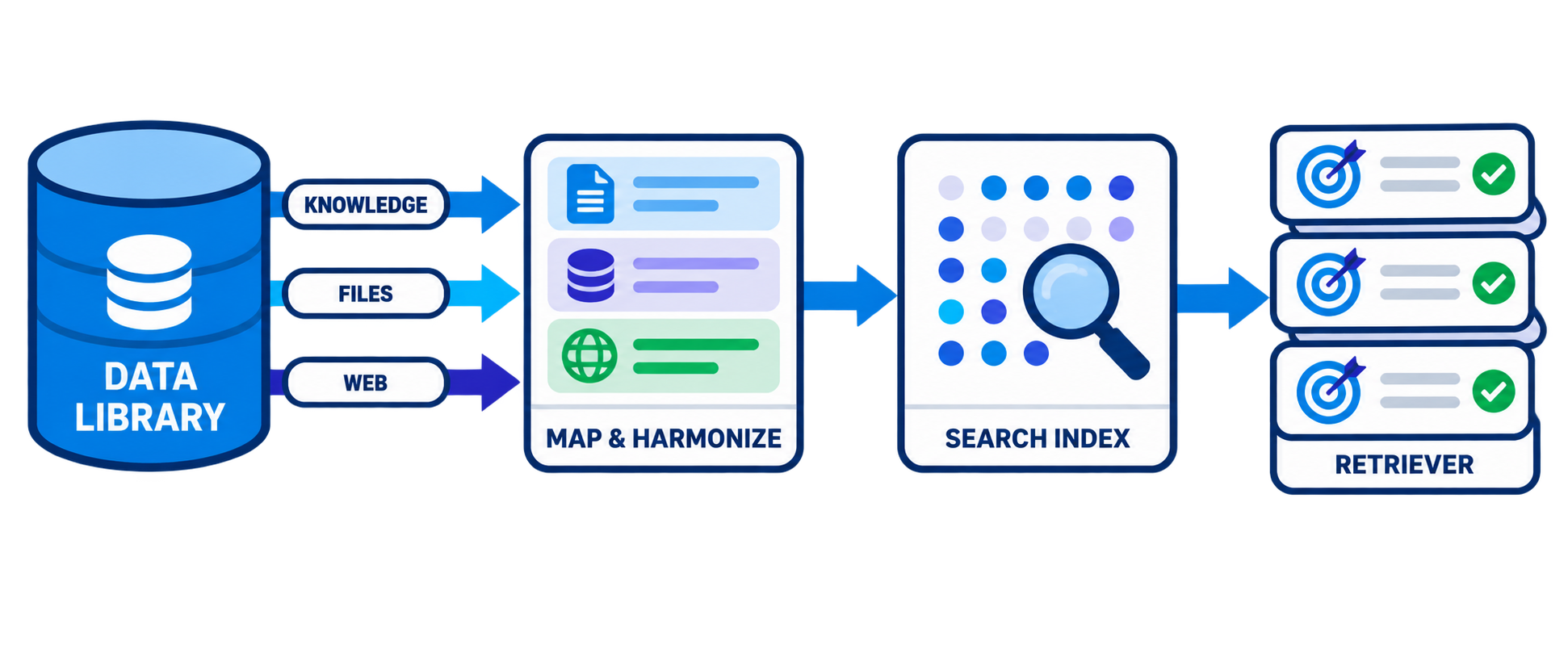
Govern the data before the agent consumes it
- Classify sensitive attributes with metadata that policy can evaluate consistently.
- Apply least-privilege controls at object, field, and row level where the data is managed.
- Use lineage to understand how a source change can propagate into segments, models, and agent responses.
- Keep enterprise data governance and agent runtime authorization as separate, cooperating layers.
Connect governance to the use case
- Map every grounded attribute to its source, classification, owner, and permitted purpose.
- Test access with representative user contexts, including external and unauthenticated scenarios.
- Review derived and harmonized fields for sensitivity that may not be obvious from their names.
- Revalidate agent behavior when governance policies, source schemas, or identity resolution change.
Resources
This article is based on the following Salesforce learning and product documentation.