
Responsible agent design turns broad principles into decisions users can feel: they know they are interacting with automation, understand important limitations, can reach a person, and are not asked to surrender unnecessary data.
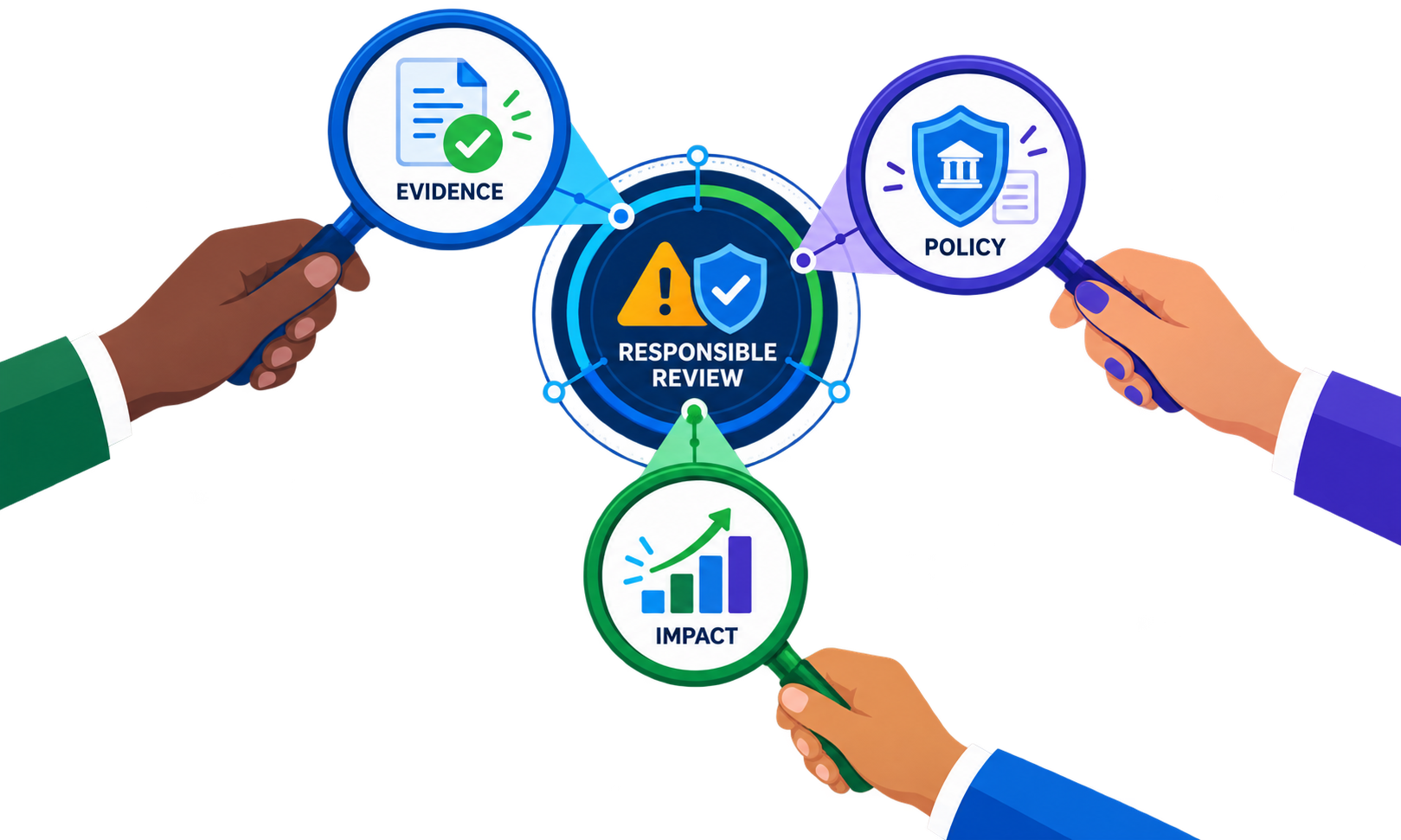
Responsibility also requires organizational accountability. Someone must own the outcome, approve acceptable use, review evidence, and decide when the agent should be changed or withdrawn.
Translate principles into experience
- Be transparent about the agent's identity, purpose, limitations, and use of customer data.
- Design for privacy through data minimization, purpose limitation, and secure handling rather than relying on a warning message.
- Test for unequal quality, harmful stereotypes, manipulation, overconfidence, and automation bias.
- Preserve meaningful human oversight for consequential decisions and contested outcomes.
Create accountable operations
- Publish an acceptable-use policy and map each prohibited use to a technical or process control.
- Provide clear correction, appeal, and escalation paths to affected users.
- Review representative outcomes across user groups and channels before and after launch.
- Maintain an incident process with named owners, evidence retention, and authority to pause the agent.
Resources
This article is based on the following Salesforce learning and product documentation.